 AR
AR
 EN
EN

The Electric Running Machine: A Comprehensive Guide
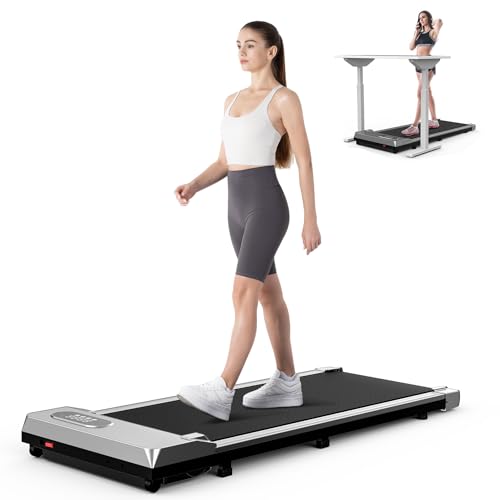
In recent years, the appeal of electric running machines, commonly referred to as treadmills, has risen, driven by the increasing awareness of fitness and health. Electric running machines provide a convenient method to take part in cardiovascular exercise, regardless of climate condition or time constraints. This article explores the various kinds of electric running machines, their advantages, features to consider while acquiring, and typical FAQs to help people in making informed decisions about including them into their fitness regimens.
Comprehending Electric Running Machines
Electric running machines, or treadmills, been available in numerous designs and capabilities, dealing with different fitness levels and individual preferences. They work through an electric motor that drives the running belt, enabling users to walk, jog, or perform at their rate.
Kinds Of Electric Running Machines
Handbook Treadmills
Run by the user's motion, requiring no electrical power.Normally less costly and compact.Perfect for users who look for standard workout without additional functions.
Motorized Treadmills
Equipped with powerful electric motors that drive the belt for smooth operation.Frequently include sophisticated functions like programmable workouts and slope settings.Suitable for users looking for a detailed running experience.
Folding Treadmills
Designed to fold up for simple storage, suitable for small home.Available in both manual and motorized choices.Popular amongst individuals with minimal exercise area in the house.
Business Treadmills
Developed for heavy usage in health clubs and gym.Function bigger motors and resilient frames for extended activity.Often featured sophisticated tracking and training features.Advantages of Using Electric Running Machines
The advantages of integrating electric running machines into a fitness regimen are substantial. Here are some essential advantages:
Convenience: With a treadmill at home, users can work out whenever they select, avoiding restrictions such as gym hours or inclement weather condition.Versatility: Users can adjust the speed and incline to customize exercises to their physical fitness levels and objectives.Security: Offers a regulated environment, decreasing the risk of outside dangers like traffic or uneven surfaces.Track Progress: Most electric running machines come equipped with displays that track range, speed, heart rate, and calories burned.Low-Impact Options: Many designs include cushioned decks that reduce the influence on joints, making it appropriate for individuals recuperating from injuries.Secret Features to Consider
When buying an electric running machine, prospective purchasers should assess a number of key features to ensure they invest in a design that meets their needs:
Motor Power: Look for motor power measured in continuous duty horsepower (CHP). A minimum of 2.0 CHP is perfect for walking, while 3.0 CHP is much better suited for running.Running Surface: Consider the belt size and deck cushioning. Wider belts supply adequate space for running, while adequate cushioning assists avoid injuries.Speed and Incline Options: Higher speed varieties and adjustable incline settings boost the adaptability of workouts.Programs and Connectivity: Evaluate integrated exercise programs, and the ability to get in touch with fitness apps for directed training and metrics tracking.Weight Capacity: Ensure the treadmill can support your weight. Most designs accommodate as much as 250-300 pounds; much heavier models are offered for larger users.Service warranty and Support: An excellent service warranty shows manufacturer confidence. Try to find guarantees covering at least 10 years for the frame and 1-2 years for parts.Pricing
Electric running machines come at different cost points depending on functions and quality. Below is a table summarizing the different rate ranges:
Type of TreadmillPrice RangeHandbook Treadmills₤ 100 - ₤ 400Motorized Treadmills₤ 400 - ₤ 2,000Folding Treadmills₤ 300 - ₤ 1,500Industrial Treadmills₤ 1,500 - ₤ 5,000+Maintenance Tips
Owning an electric running machine requires some upkeep to ensure durability and efficiency. Here are some ideas:
Regularly Clean the Surface: Dust and sweat can affect machine operation. Utilize a moist cloth to clean the running deck and frame.Inspect Belts and Parts: Regularly check for wear and tear in belts and parts. Oil the belt according to the producer's guidelines.Keep it Dry: Avoid positioning the treadmill in moist areas to prevent rust and electronic issues.Check Connections: Ensure all electrical connections are protected to keep the treadmill functioning properly.Often Asked Questions (FAQs)
1. How often should I utilize a treadmill?
Utilizing a treadmill for at least 150 minutes per week is suggested for general health advantages. Nevertheless, your individual fitness goals might require a different regimen.
2. Are treadmills bad for your joints?
Quality running machines with correct cushioning innovations can decrease effect and lower strain on joints compared to working on tough pavement.
3. Can I utilize a treadmill if I have existing health conditions?
Constantly consult your healthcare provider before beginning any new workout regimen, particularly if you have pre-existing health problems.
4. Is it much better to stroll or run on a treadmill?
Both walking and running yield health advantages. Your choice must depend upon your physical fitness level, objectives, and convenience.
Electric running machines offer a flexible and convenient alternative for anyone wanting to boost their fitness levels. With various types and cost varieties, there is an appropriate treadmill for every single user, from the casual walker to the seasoned runner. Understanding the different features, assessing key considerations before purchase, and dedicating to routine maintenance are important actions to reaping the full benefits of an electric running machine. As our awareness of health continues to grow, purchasing a treadmill might really well be a step toward a healthier, more active way of life.
In recent years, the appeal of electric running machines, commonly referred to as treadmills, has risen, driven by the increasing awareness of fitness and health. Electric running machines provide a convenient method to take part in cardiovascular exercise, regardless of climate condition or time constraints. This article explores the various kinds of electric running machines, their advantages, features to consider while acquiring, and typical FAQs to help people in making informed decisions about including them into their fitness regimens.
Comprehending Electric Running Machines
Electric running machines, or treadmills, been available in numerous designs and capabilities, dealing with different fitness levels and individual preferences. They work through an electric motor that drives the running belt, enabling users to walk, jog, or perform at their rate.
Kinds Of Electric Running Machines
Handbook Treadmills
Run by the user's motion, requiring no electrical power.Normally less costly and compact.Perfect for users who look for standard workout without additional functions.
Motorized Treadmills
Equipped with powerful electric motors that drive the belt for smooth operation.Frequently include sophisticated functions like programmable workouts and slope settings.Suitable for users looking for a detailed running experience.
Folding Treadmills
Designed to fold up for simple storage, suitable for small home.Available in both manual and motorized choices.Popular amongst individuals with minimal exercise area in the house.
Business Treadmills
Developed for heavy usage in health clubs and gym.Function bigger motors and resilient frames for extended activity.Often featured sophisticated tracking and training features.Advantages of Using Electric Running Machines
The advantages of integrating electric running machines into a fitness regimen are substantial. Here are some essential advantages:
Convenience: With a treadmill at home, users can work out whenever they select, avoiding restrictions such as gym hours or inclement weather condition.Versatility: Users can adjust the speed and incline to customize exercises to their physical fitness levels and objectives.Security: Offers a regulated environment, decreasing the risk of outside dangers like traffic or uneven surfaces.Track Progress: Most electric running machines come equipped with displays that track range, speed, heart rate, and calories burned.Low-Impact Options: Many designs include cushioned decks that reduce the influence on joints, making it appropriate for individuals recuperating from injuries.Secret Features to Consider
When buying an electric running machine, prospective purchasers should assess a number of key features to ensure they invest in a design that meets their needs:
Motor Power: Look for motor power measured in continuous duty horsepower (CHP). A minimum of 2.0 CHP is perfect for walking, while 3.0 CHP is much better suited for running.Running Surface: Consider the belt size and deck cushioning. Wider belts supply adequate space for running, while adequate cushioning assists avoid injuries.Speed and Incline Options: Higher speed varieties and adjustable incline settings boost the adaptability of workouts.Programs and Connectivity: Evaluate integrated exercise programs, and the ability to get in touch with fitness apps for directed training and metrics tracking.Weight Capacity: Ensure the treadmill can support your weight. Most designs accommodate as much as 250-300 pounds; much heavier models are offered for larger users.Service warranty and Support: An excellent service warranty shows manufacturer confidence. Try to find guarantees covering at least 10 years for the frame and 1-2 years for parts.Pricing
Electric running machines come at different cost points depending on functions and quality. Below is a table summarizing the different rate ranges:
Type of TreadmillPrice RangeHandbook Treadmills₤ 100 - ₤ 400Motorized Treadmills₤ 400 - ₤ 2,000Folding Treadmills₤ 300 - ₤ 1,500Industrial Treadmills₤ 1,500 - ₤ 5,000+Maintenance Tips
Owning an electric running machine requires some upkeep to ensure durability and efficiency. Here are some ideas:
Regularly Clean the Surface: Dust and sweat can affect machine operation. Utilize a moist cloth to clean the running deck and frame.Inspect Belts and Parts: Regularly check for wear and tear in belts and parts. Oil the belt according to the producer's guidelines.Keep it Dry: Avoid positioning the treadmill in moist areas to prevent rust and electronic issues.Check Connections: Ensure all electrical connections are protected to keep the treadmill functioning properly.Often Asked Questions (FAQs)
1. How often should I utilize a treadmill?
Utilizing a treadmill for at least 150 minutes per week is suggested for general health advantages. Nevertheless, your individual fitness goals might require a different regimen.
2. Are treadmills bad for your joints?
Quality running machines with correct cushioning innovations can decrease effect and lower strain on joints compared to working on tough pavement.
3. Can I utilize a treadmill if I have existing health conditions?
Constantly consult your healthcare provider before beginning any new workout regimen, particularly if you have pre-existing health problems.
4. Is it much better to stroll or run on a treadmill?
Both walking and running yield health advantages. Your choice must depend upon your physical fitness level, objectives, and convenience.
Electric running machines offer a flexible and convenient alternative for anyone wanting to boost their fitness levels. With various types and cost varieties, there is an appropriate treadmill for every single user, from the casual walker to the seasoned runner. Understanding the different features, assessing key considerations before purchase, and dedicating to routine maintenance are important actions to reaping the full benefits of an electric running machine. As our awareness of health continues to grow, purchasing a treadmill might really well be a step toward a healthier, more active way of life.


QR Code
Made By
بروفايلوه
